
tinted and reflective glass
Rebar Safety Chair Ensuring Safety in Construction Construction sites are inherently dangerous work environments, with numerous hazards that can pose a risk to workers. One often overlooked area of concern is the installation and positioning of reinforcing steel bars, or rebar. These metal bars are crucial for providing strength and stability to concrete structures, but they can also present a danger if not properly secured. One important tool that helps mitigate this risk is the rebar safety chair. These simple yet effective devices are designed to support and secure rebar in the correct position during the concrete pouring process. By using rebar chairs, construction workers can prevent the steel bars from sinking or shifting, ensuring that they remain in the desired location within the concrete. There are several key benefits to using rebar safety chairs on a construction site. First and foremost, they help to maintain the structural integrity of the concrete by keeping the rebar in place. This is critical for ensuring that the concrete can support the intended load and resist cracking and other forms of damage. Additionally, rebar safety chairs can help to improve the overall safety of the construction site. By preventing rebar from shifting or falling over, these devices reduce the risk of accidents and injuries to workers. This is particularly important when working at height or in tight spaces where a misplaced rebar could cause serious harm. Furthermore, using rebar chairs can also help to save time and labor costs during the construction process rebar safety chair . By securely holding the rebar in place, workers can pour concrete more efficiently and accurately, reducing the need for rework or adjustments after the fact. This can lead to faster project completion times and lower overall expenses. In order to ensure the effectiveness of rebar safety chairs, it is important to select the right type and size for the specific project requirements. Chairs come in a variety of styles and heights to accommodate different rebar sizes and configurations. It is crucial to choose chairs that are designed to provide adequate support and stability for the particular application. Proper installation and positioning of rebar safety chairs are also essential for their success. Workers should follow manufacturer guidelines and recommendations to ensure that the chairs are securely attached to the ground or formwork. Regular inspections should be conducted to check for any signs of damage or wear that could compromise the chairs' integrity. In conclusion, rebar safety chairs play a vital role in ensuring the safety and integrity of concrete structures during construction. By securely holding rebar in place, these devices help to prevent accidents, maintain structural stability, and improve overall project efficiency. Construction companies should prioritize the use of rebar chairs on their sites to promote a safe and successful building process.
about
tinted and reflective glass
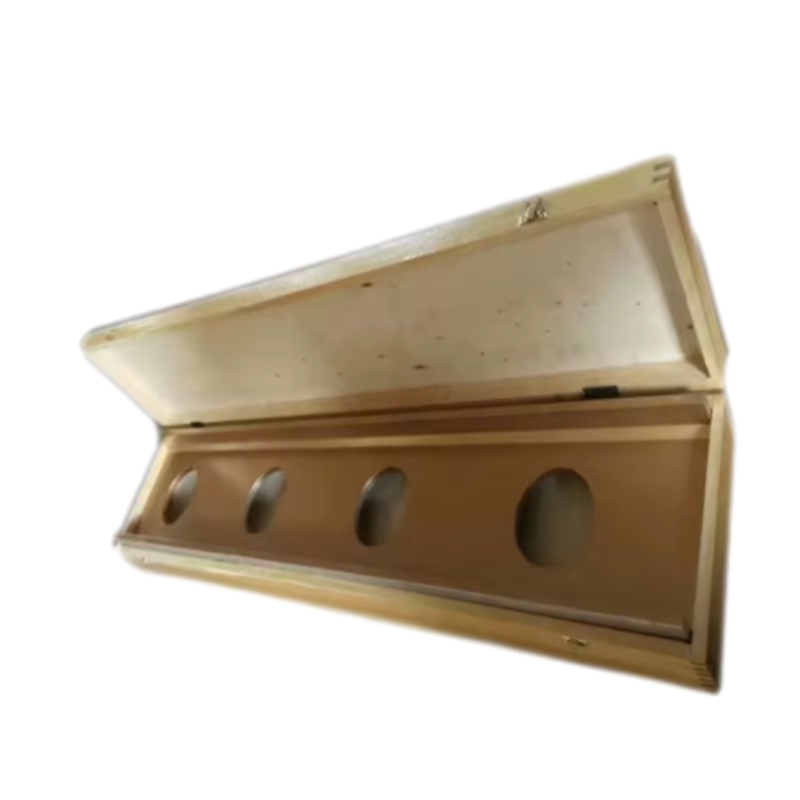
Understanding Plug Gauges Essential Tools for Precision Measurement In various engineering and manufacturing fields, precision measurement is crucial for ensuring the quality and functionality of components. One of the tools that play a vital role in this process is the plug gauge. This article delves into the concept of plug gauges, their construction, application, and significance in maintaining quality standards. What is a Plug Gauge? A plug gauge is a type of limit gauge used to check the dimensional tolerance of holes or other components. Specifically, it is designed to measure the diameter of a hole, ensuring that it meets specified tolerances. Unlike other measuring instruments, plug gauges are non-measuring tools that simply indicate whether a part is within acceptable size limits. Essentially, they serve a binary function a part either fits or it does not. Construction of Plug Gauges Plug gauges are typically cylindrical in shape and can be made from a variety of materials, including steel, carbide, or other resilient materials, depending on the application. They often come in two forms the Go and No-Go gauges. The Go gauge is designed to fit comfortably within the hole if the hole is within tolerance, while the No-Go gauge should not fit at all if the hole meets the specified requirements. The design allows for easy use on the shop floor, enabling operators to quickly assess the acceptability of parts without the need for elaborate measuring instruments. Quality assurance personnel often use plug gauges in conjunction with other measuring devices to validate the dimensional accuracy of components during the manufacturing process. Applications of Plug Gauges plug gauge Plug gauges find extensive applications across various industries, including automotive, aerospace, and manufacturing. They are essential in industries where precision is vital, such as in the production of gears, bearings, and valves. For instance, in the aerospace sector, where component reliability is paramount, plug gauges ensure that critical fittings and assemblies meet stringent regulations and standards. Any deviation from specified tolerances could lead to catastrophic failures; thus, the role of plug gauges in quality control cannot be overstated. In addition to checking hole sizes, plug gauges can also be used in the setup phase of machines, ensuring that all components fit correctly before operational testing begins. This preemptive approach can save companies time and resources by reducing the likelihood of defects in final products. Importance of Calibration and Maintenance While plug gauges are simple tools, their accuracy is dependent on proper calibration and maintenance. Over time, wear and tear can affect their dimensions, leading to inaccurate measurements. Regular inspection and calibration against certified standards are essential to ensure that plug gauges remain reliable. Users must also be aware of factors such as temperature and humidity that can affect the material properties of the gauges. Proper storage conditions, as well as adherence to usage guidelines, are crucial for maintaining their accuracy. Conclusion In summary, plug gauges are indispensable tools in the quality assurance process across multiple industries. Their straightforward design and function provide an efficient means of assessing component tolerances, thereby ensuring that products meet rigorous standards. As manufacturing processes become increasingly complex, the role of reliable measuring devices like plug gauges will continue to be vital in producing high-quality, precise components that meet the demands of modern industries. By understanding and effectively utilizing these tools, organizations can enhance their quality control measures, ultimately leading to better products and increased customer satisfaction.
-

High quality industrial productsagement

High quality industrial products
View Details -

Meet the diverse needs of customers

Meet the diverse needs of customers
View Details -

Strict quality control

Strict quality control
View Details -

Top raw materials

Top raw materials
View Details -

Trusted supplier

Trusted supplier
View Details
Our application



news and information

waterleidingklep
Waterlijnklep Een Cruciaal Element voor Efficiënt Beheer van Waterlopen Een waterlijnklep, of waterl

Valve for Sale Top Quality Guaranteed
Discover the perfect valve for your specific needs with our comprehensive guide to valves for sale.

Válvula de cierre 3 4
Válvulas de Globo Características y Aplicaciones Las válvulas de globo son un tipo esencial de válvu
 English